Editor's note: This story is part of the WardsAuto digital archive, which may include content that was first published in print, or in different web layouts.
The WardsAuto Fuel Economy Index shows light vehicles sold in the U.S. averaged 25.4 mpg (9.2 L/100 km) in September, a 0.8% improvement over year-ago.
Cars scored 30.1 mpg (7.8 L/100 km) on the index, up 1.8% from year-ago. This vehicle type accounted for 39.4% of the index fleet compared with 42.2% in like-2015. All car segments lost share from last year.
The midsize car segment hit a best-ever rating of 30.3 mpg (7.8 L/100 km), boosted by small increases in electric and plug-in hybrid vehicle sales.
Light trucks hit 22.2 mpg (10.6 L/100 km), an increase of 1.6%. Market share rose from 57.8% in prior-year to 60.6%. Vans were the only segment in this category to not gain share from September 2015.
The national average gasoline price was $2.327 per gallon in September, up 1.9% from August but 5.5% cheaper than same-month 2015.
Plug-in hybrids remained the only alternative powertrain type to see significant growth from last year. A jump in market share to 0.4% from 0.2% has been spurred by new releases.
Volvo is one company benefiting from plug-in hybrid sales, the primary factor making it the most improved automaker on the September index, rising 14.9% from year-ago.
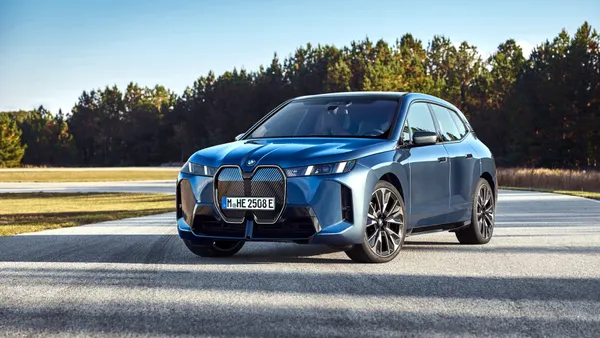
BMW posted a sharp decline in sales of its i3 EV, down to 391 units compared with 1,710 in same-month 2015, resulting in a 13.6% drop in its index score.
Jaguar Land Rover remained the lowest-rated automaker, but hit a new high at 20.7 mpg (11.4 L/100 km). An uptick in diesel variants was a key factor in the improvement. Also, compared with September 2015, sales of its car models increased relative to SUVs.
As the ’16 model year comes to a close, the index shows a 0.4% increase in fuel economy from ’15.
Over the first three quarters of the year, the industry rating averaged 25.4 mpg, 0.5% better than same-period 2015.