INGOLSTADT, Germany – Audi has finally put a name and intent behind what’s been an open secret for some time: A new range-topping SUV, badged Q9, is on the way — and it’s being developed with the U.S. market very much in mind.
Confirmed by CEO Gernot Döllner at the company’s annual media conference, the Q9 will sit above the Q7 as the brand’s largest and most luxurious SUV model. It takes over the role of flagship from the now out-of-production A8 sedan, marking a clear shift in how Audi defines the top end of its lineup.
“The Audi Q9 will be the new flagship of the Audi portfolio,” Döllner said. “This is a particularly important model for the U.S.”
That last point matters. While Audi will sell the Q9 globally, everything about it, from its size and layout to its positioning, suggests it has been shaped first and foremost around the American market, where large, three-row SUVs continue to dominate the premium segment in a way traditional sedans no longer do.
Shifting from sedan to SUV
For decades, the A8 served as a rival to the BMW 7-Series and Mercedes-Benz S-Class and served as Audi’s technological and luxury benchmark. Now it’s following the reality that to sell a flagship model in volume, especially in the U.S., it needs to be an SUV like the BMW X7 or Mercedes-Benz GLS.
Like those other models, the Q9 will likely put the emphasis squarely on second-row comfort, with a choice between a seven-seat layout and a more indulgent six-seat configuration with individual rear chairs.
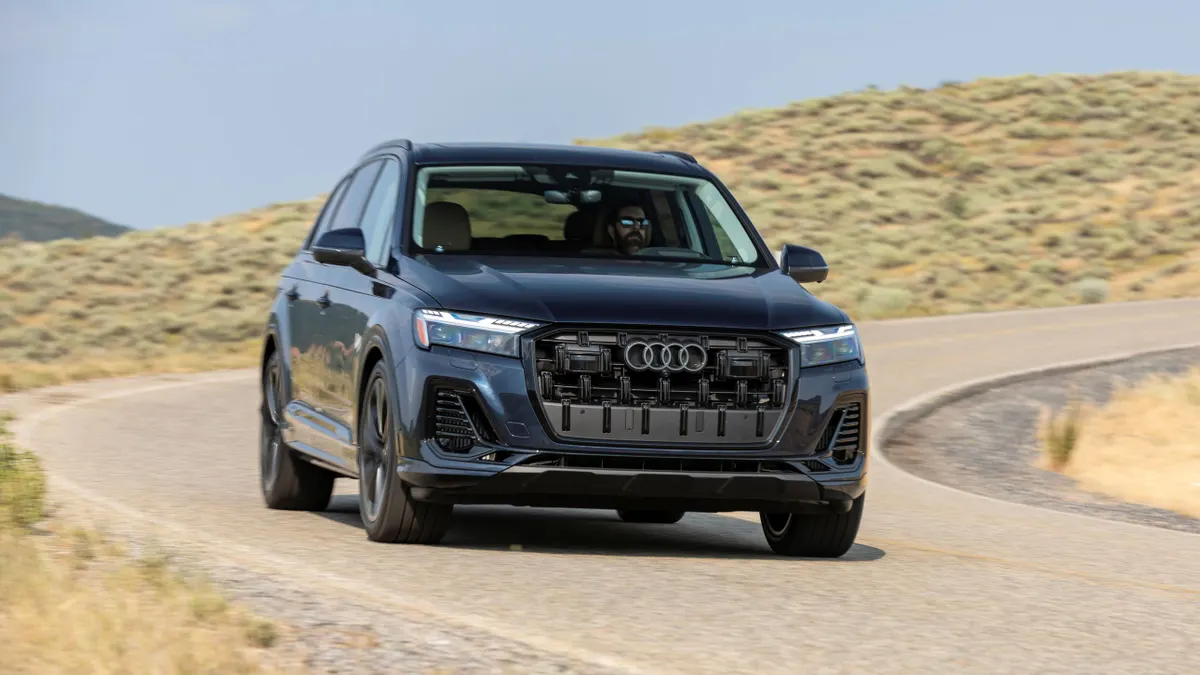
Audi hasn’t revealed the Q9 yet, but its nameplate and the flagship positioning confirmed by Döllner hint at an SUV noticeably larger than the existing second-generation Q7. Expect a more upright front end with an even more dominant take on the German automaker’s signature single-frame grille, along with a long hood.
It’s also a model with broader significance inside its parent company, the Volkswagen Group. The Q9 is being developed together with a future Porsche SUV, codenamed K1, giving it added weight and importance beyond Audi’s own lineup. It’s widely expected to use an extended version of the group’s Premium Platform Combustion architecture. Confirmed by sources within Audi, that would enable a mix of offered drivetrains, likely centered around turbocharged V-6 and V-8 gasoline engines and plug-in hybrid systems with electric driving capability.
At the top of the range, a performance-based SQ9 model appears all but certain, and with it the familiar twin-turbocharged 4.0-liter V-8 gasoline engine used in various Audi models sold in the U.S. — exactly the kind of drivetrain U.S. buyers in this segment might expect.
U.S. plugged partly into a two-pronged strategy
Taken together, the two models Audi revealed at its Annual Media Conference encapsulate its current thinking quite neatly: Go bigger and more profitable at the top, while opening the door to new customers at the bottom.
“Our growth targets through 2030 are both realistic and ambitious,” Döllner said. “We are aligning our position in our core regions of Europe, the U.S., and China to achieve them.”
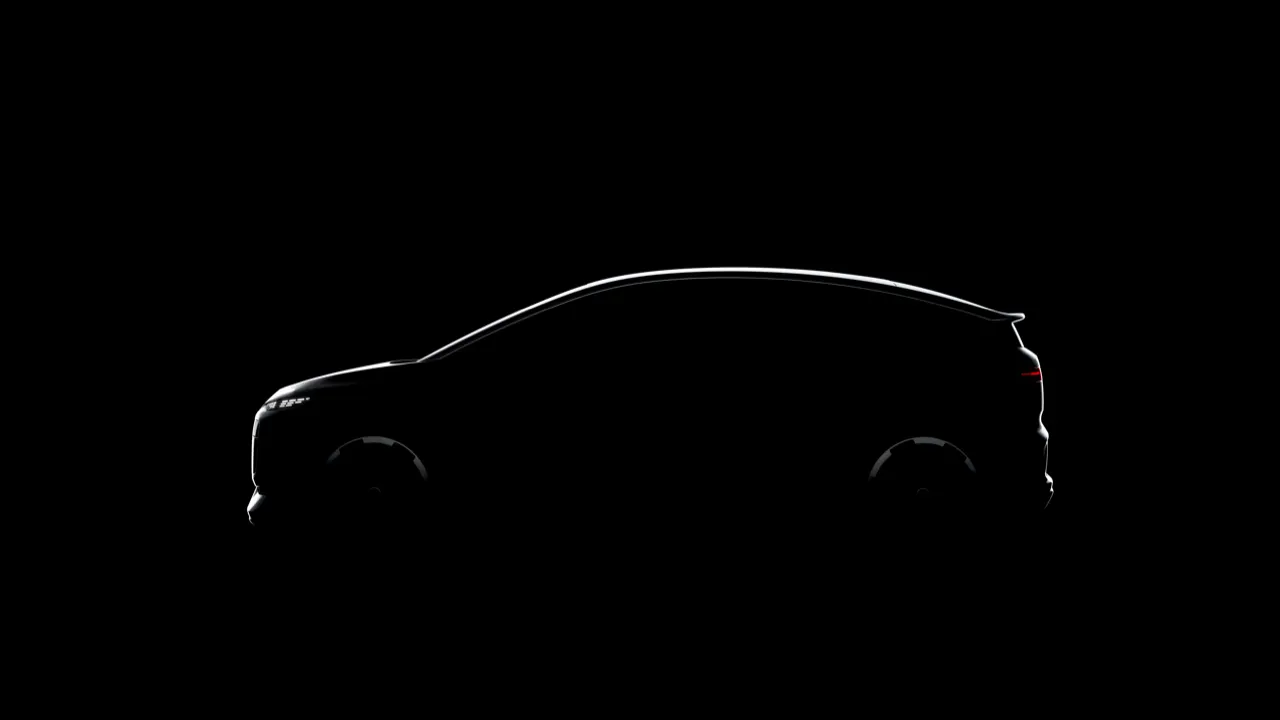
In addition to the range-topping SUV, Audi also confirmed a return of the A2 to the compact segment as a fully electric model. Audi sources have confirmed to WardsAuto that what Döllner hailed as “a clear statement on efficiency” won’t be U.S.-bound — but the Q9 is due for a U.S. arrival in the latter half of this year.